- 1 month ago
- 4 min read
Friendly Competition: Local Fencing Tournaments Build Confidence and Success
Local tournaments build skill and confidence close to home
Local tournaments are often the first place a young fencer discovers what competition feels like: the pre-bout nerves, the rush of a well-timed touch, the need to recover after a loss, and the pride of improving over time. Although regional and national events gain more attention, local tournaments offer fencers a practical and affordable way to test themselves and grow in a low-pressure setting that encourages club and community support.
Accessible Competition Close to Home
One of the greatest advantages of local tournaments is accessibility. The cost of larger fencing tournaments can add up quickly. Regional and national tournaments often require extensive travel days, transportation at the host city, multi-night hotel stays, and higher entry fees. Instead, fencers who compete in local tournaments fence in familiar gyms and sleep in their own beds. This lower barrier makes it easier for beginners to enter their first event, allows experienced athletes to compete more often, and helps families to support participation without stretching their budgets.
A Friendly Place to Learn Pressure
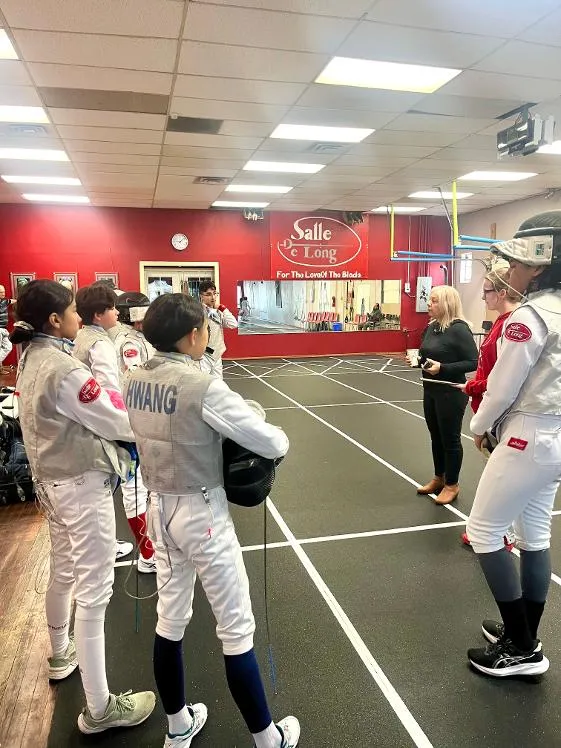
Fencing is often called physical chess because success depends on both movement and decision-making. In a bout, a fencer must read an opponent, adjust tactics, manage nerves, and stay composed after mistakes. Local tournaments help fencers practice these fast-paced skills under real pressure, but in a friendly environment surrounded by coaches and teammates. Because local events are smaller and more familiar, they create a supportive environment where athletes can learn how to compete without feeling overwhelmed.
Confidence Through Visible Progress
Local tournaments give fencers a clear picture of their growth. A beginner may celebrate scoring a first touch, winning a first bout, or simply remembering to salute and stay focused. More advanced athletes may track improvements in footwork, timing, or endurance. Small milestones matter. They show young athletes that effort leads to progress, and that confidence is built through experience.
Stronger Clubs and Communities
A tournament is more than a schedule of bouts. Aside from athletes, it is a gathering of coaches, volunteers, and event officials who share responsibility for making the event work. Clubs benefit from the visibility that local tournaments create, while families get to know one another through cheering and sharing tips for navigating the sport. These connections turn fencing from an individual pursuit into a community endeavor.
Sportsmanship
Local tournaments are a low-stakes environment to learn about competitive respect. Fencers salute, shake hands, accept calls from referees, and learn to handle both victory and defeat with composure. Practicing respect at local tournaments is essential to a fencer’s development. If a fencer forgets to salute at a regional or national tournament, they could be penalized; however, at a local tournament, a forgotten salute only results in a reminder.
A Pathway to Bigger Goals
For athletes who want to advance, local tournaments serve as a stepping-stone toward regional and national competition. Local tournaments help fencers become comfortable with tournament formats, including equipment check and finding a warm-up routine that works for them. Because every tournament follows the same basic format, the local experience makes larger events less intimidating and easier to navigate.
Local Events Matter
Local fencing tournaments keep the sport active, welcoming, and sustainable. They provide affordable competition, develop confident athletes, strengthen clubs, and build relationships among families and coaches. Most importantly, local tournaments remind fencers that growth does not happen only on the biggest stages. It happens close to home, one touch at a time.